
If you read something that is well written, you understand it first time around. When it is poorly written, you find yourself re-reading sentences.
In the media and in business, this mostly means short sentences using simple and accurate words. Famously, the first sentence of the Wall Street Journal’s front page story after Wall Street plunged 22 per cent in 1987 was just five words: “The stock market crashed yesterday.”
Stories need to be brief. In an age of reading mobile phones on public transport, and the ubiquitous swipe, going over 400 words risks losing the reader. Social media (LinkedIn, Facebook and especially Twitter) has taught the world to read snippets of information rather than long treatise.
Reading a Facebook post takes seconds, not minutes, and that’s what people are increasingly used to. There is demand for longer stories and videos, but they need to be served-up in an appropriate environment. It is why many magazines still survive in print and online. When you read a New Yorker article, for example, you know you need to commit a decent amount of time. Remember why you are writing and understand you need to attract attention to your content. You need to get your message across and be understood.
Style also matters.
Think about how Time Inc or the New York Times or The Daily Mail write a story. Think about how ESPN produces content or how the ABC does its news programmes. Listeners know they are hearing Neil Mitchell in Melbourne and Alan Jones in Sydney and Brisbane not just because of their voices, but also because of the style in which topics are being discussed.
In written content, it isn’t just about honorifics, or ending sentences with a preposition, or the overuse of commas. It is also about having a distinctive style, even if it's not quite unique, so whoever is reading immediately gets an inkling of the source.
All content has style. The author (individual or business) needs to think about what that style projects, and how a consistent style can enhance the quality of the content being produced.
We’ve come up with a check list of things to think about when writing.
Avoid jargon.
Use simple words and make sure they are accurate.
Use active language.
Vary sentence lengths.
Minimise punctuation and be careful of tenses.
Avoid excessive clauses, unless you know what you are doing.
Be consistent.
Stick to your corporate voice.
Read aloud after you’ve finished.
Link of the day
What makes writing better so hard? The same thing that makes being a better person so hard: admitting your shortcomings and recognizing that you are your worst enemy - Jason Zweig’s On Writing Better
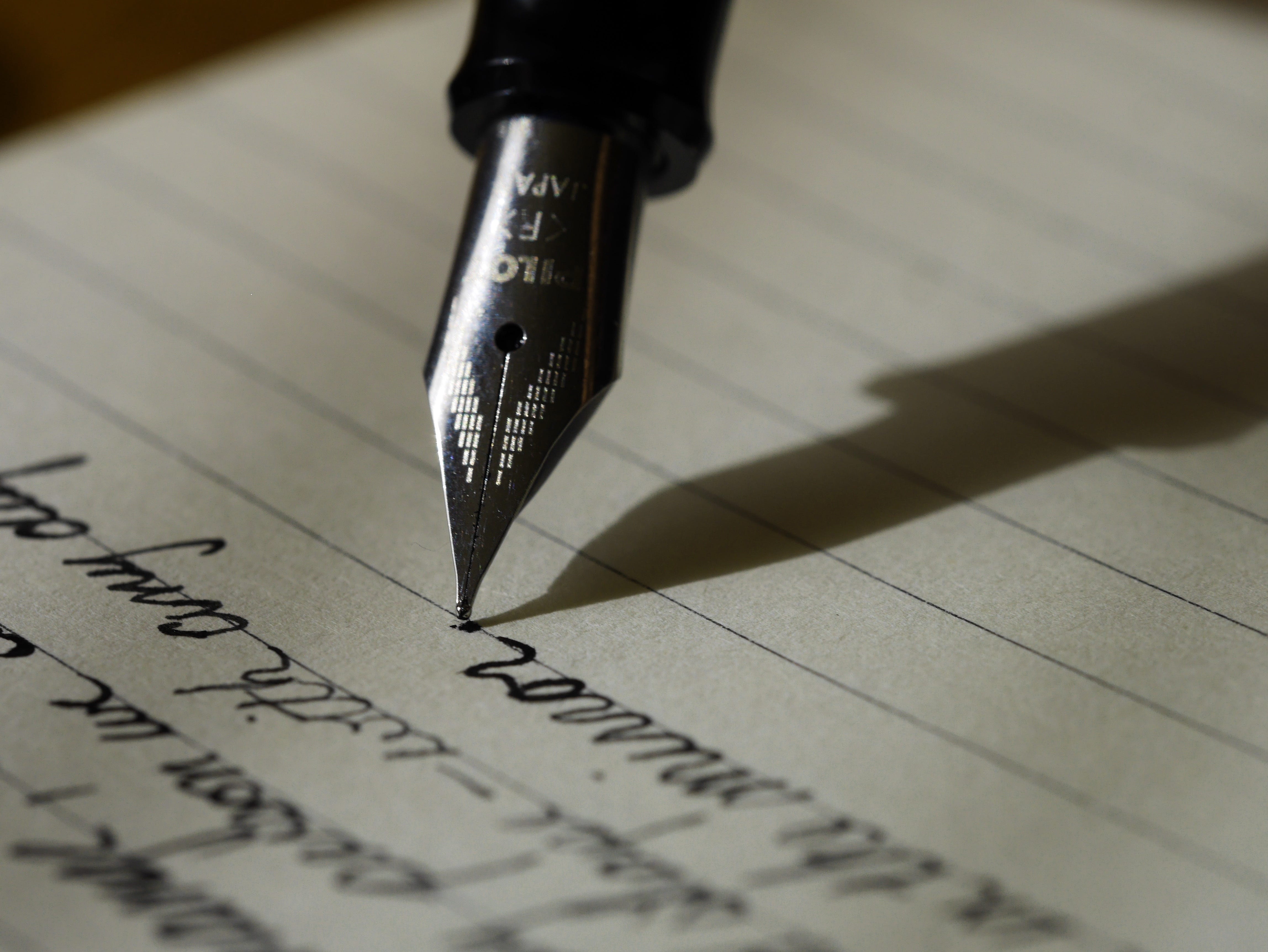
Photo by Aaron Burden on Unsplash